Alice Springs sits at the heart of Australia’s Northern Territory—and at the heart of its Indigenous culture. That’s where the town’s deep cultural significance for Aboriginal Australians comes in. To truly understand the social and cultural landscape of this region, you need to look at the demographics—and particularly the Indigenous population.
Contents
- 1 Aboriginal Population
- 2 Cultural Importance
- 3 Aboriginal Culture and Tourism
- 4 The Town’s Role in Central Australia
- 5 Wildlife and Environment
- 6 Conclusion
- 7 FAQ
- 7.1 What percentage of Alice Springs’ population is Aboriginal?
- 7.2 Who are the traditional owners of Alice Springs?
- 7.3 Is it possible to visit Aboriginal communities near Alice Springs?
- 7.4 Are there Aboriginal cultural experiences available for tourists in Alice Springs?
- 7.5 Why is Aboriginal culture significant in Alice Springs?
Aboriginal Population

The latest census data from the Australian Bureau of Statistics (ABS) puts Alice Springs’ population at around 26,000 people. Of those, 18-20% identify as Aboriginal or Torres Strait Islander—around 4,800 to 5,200 Indigenous people. That makes Alice Springs one of the towns with the highest proportion of Aboriginal residents relative to the total Australian population.
That population figure is influenced by the town’s role as a service centre for the region. Many Indigenous Australians travel to Alice Springs for medical treatment, to visit family or to attend school. That means the number of Indigenous people in the town centre and surrounding regions can fluctuate significantly from day to day.
Population figures like these are also affected by how ABS data is collected. That’s why it’s best to think of these numbers as a general guide rather than an absolute figure. The Aboriginal community remains at the heart of Alice Springs’ life and spirit.
Cultural Importance
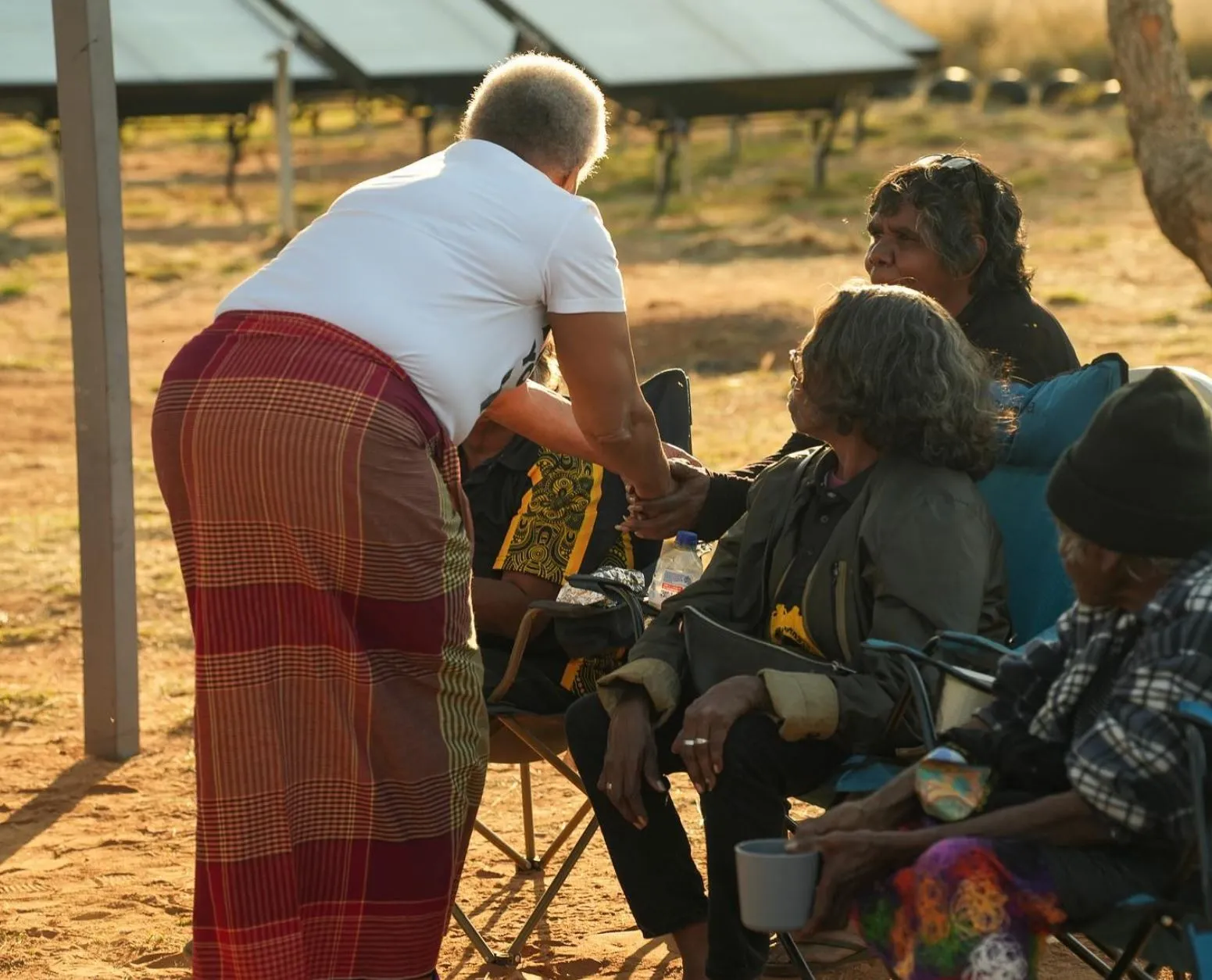
Alice Springs is Mparntwe to the Arrernte people—and the traditional lands of the Arrernte Nation. For tens of thousands of years, the traditional owners have maintained strong spiritual, cultural and historical connections to this land. Their stories, sacred sites and Dreamtime stories continue to shape the cultural identity of the region.
The town is a cultural melting pot for Aboriginal people from all over Central Australia. Alice Springs acts as a service centre for the region, providing healthcare, education, housing, employment and welfare payments to Aboriginal residents from surrounding areas. That makes for a diverse and interconnected community.
Alice Springs is a town that spans several square kilometres, with infrastructure tailored to its permanent residents and the transient Indigenous populations who travel from remote homelands to access those services.
Aboriginal Culture and Tourism
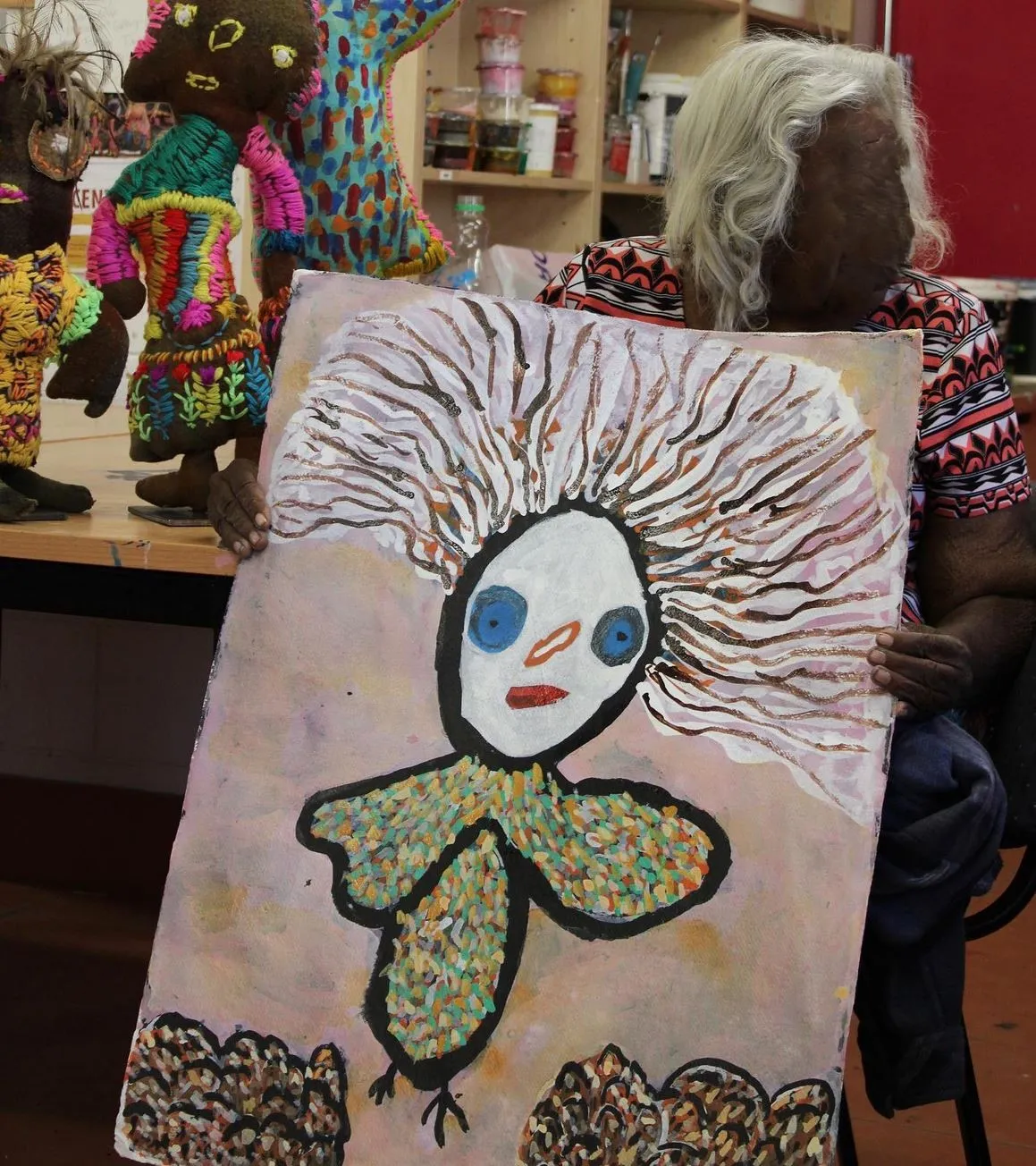
Aboriginal culture is woven into everyday life in Alice Springs. Visitors, especially foreign tourists, come to the area not just for its natural beauty but for the chance to connect with Indigenous heritage. From art galleries showing world class Aboriginal art to cultural tours, there’s plenty of real experiences.
Top tourist attractions include visits to sacred sites, bush tucker tours, didgeridoo performances and storytelling sessions with Indigenous elders. These experiences give insight into Aboriginal spirituality and their connection to Country. Many community events throughout the year, including festivals and markets, celebrate Indigenous arts, crafts and traditions.
If you want to go deeper into culture, many Alice Springs tours are designed to highlight Indigenous knowledge, landscapes and stories. These tours are a great way to explore the area while supporting local Aboriginal owned businesses.
Tourists should be aware that some areas of Alice Springs and surrounding communities have alcohol bans to support social cohesion and reduce harm. These policies are part of a broader effort to improve health outcomes and community safety.
Alice Springs is an educational experience for travellers who want to learn about the resilience and knowledge systems of the world’s oldest living culture. Tourism operators work closely with Indigenous leaders to ensure tours are respectful and beneficial for local communities. Many day trips from Alice Springs visit sacred sites and community art centres, creating connections between visitors and the local culture.
The Town’s Role in Central Australia
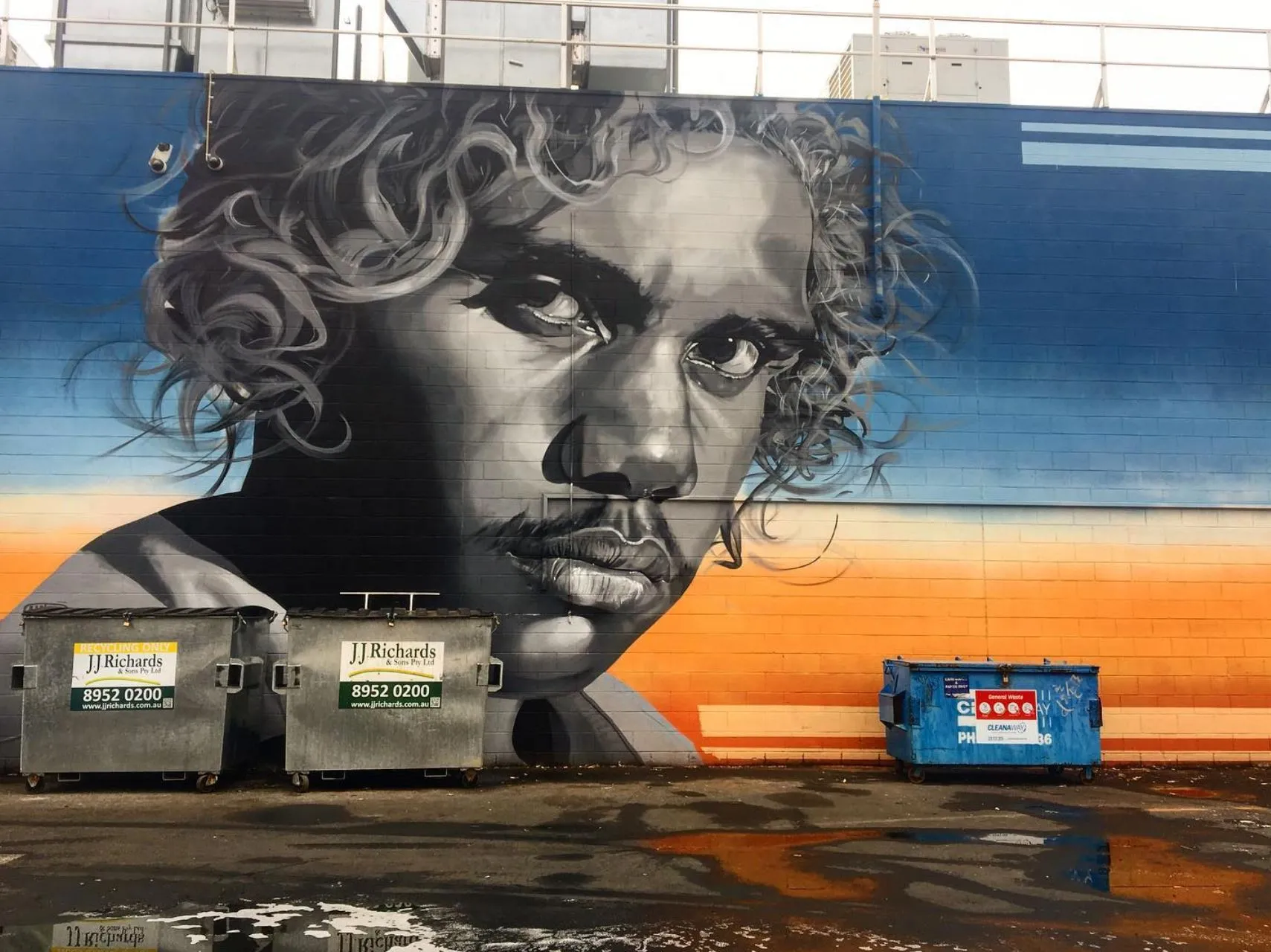
Alice Springs is the service centre for over 260 remote communities across Central Australia. It’s often called the “capital of the Outback” and plays a big administrative, medical, educational and commercial role in the region. This has made the town a cultural and logistical hub, with complex relationships between Indigenous and non-Indigenous Australians.
The town centre is a busy place that reflects this intersection of cultures. While visitors enjoy the cafes, markets and art venues, many don’t realise the social significance of this space for the local Aboriginal population. It’s where families meet, stories are shared and services are accessed.
Wildlife and Environment
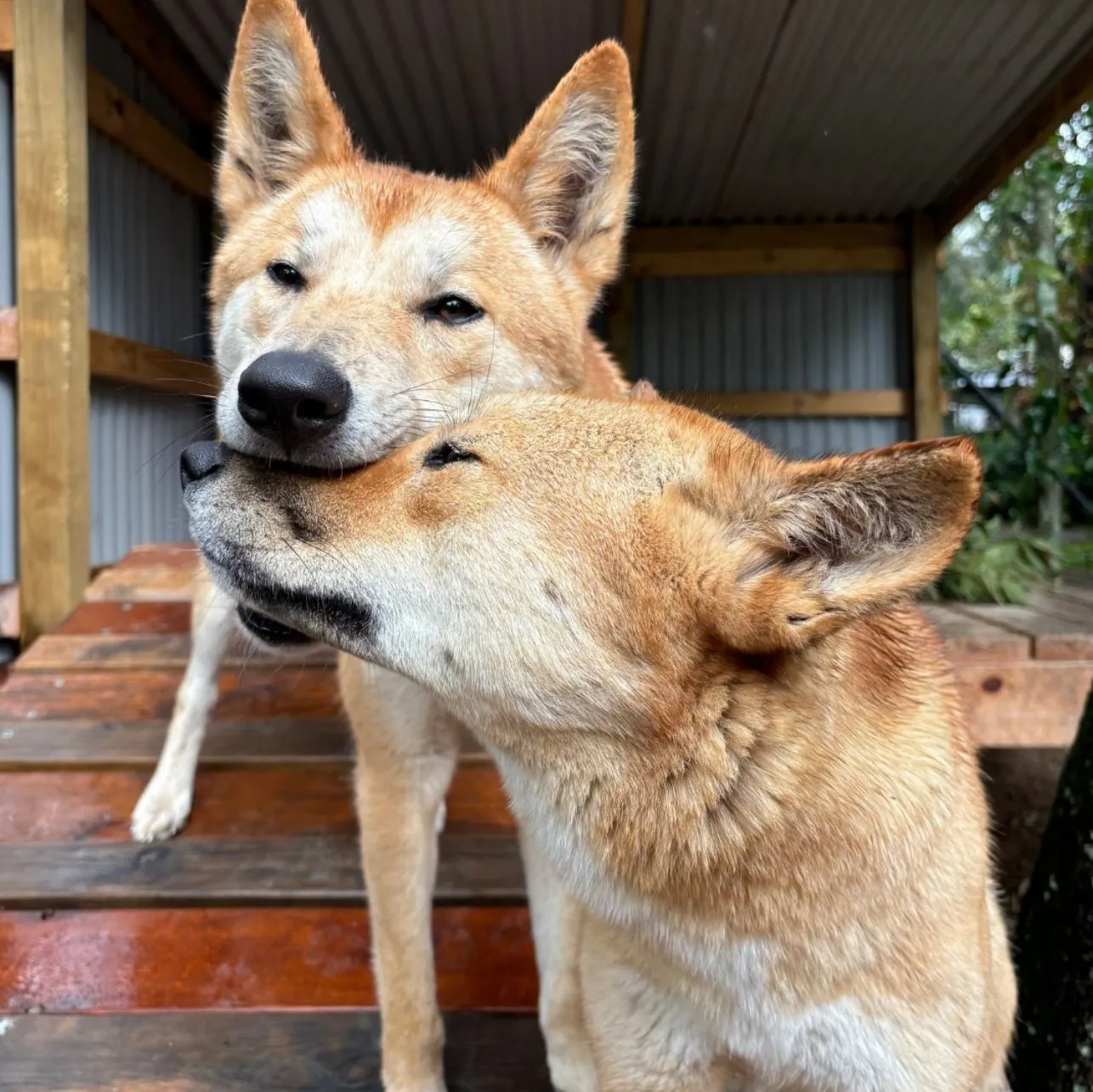
Surrounded by deserts and rock formations, Alice Springs is home to many animals. Kangaroos, dingoes, reptiles and birds live in the bushland nearby. Indigenous Australians have lived in this environment for countless generations. Their knowledge includes tracking, fire management and sustainable harvesting.
Alice Springs is inland, far from the west coast or western coast, but offers a different kind of tourism to the coast. The red desert, rocky escarpments and spinifex plains are a harsh and beautiful environment that attracts nature lovers and culture vultures.
The environment itself is sacred to Aboriginal communities. Each rock or waterhole may hold spiritual significance or feature in local Dreamtime stories. Seeing the landscape through an Indigenous lens adds depth to any visit. Several day tours from Alice Springs focus on these natural and spiritual landmarks, with guided walks and storytelling.
Conclusion
The Aboriginal population of Alice Springs is the foundation of the town. As a regional hub and geographic centre, the town is central to the lives of thousands of Indigenous Australians. Whether you’re an Australian or one of the many international tourists, visiting Alice Springs is more than just scenery – it’s an opportunity to understand, respect and celebrate Aboriginal culture.
History, art, language and a deep connection to the land is what Indigenous communities will shape the future of Alice Springs. As Australia as a whole reconciles with its past, towns like Alice Springs are a powerful reminder of the strength and significance of its First Peoples. Joining an Alice Springs tour that puts Indigenous voices front and centre is one of the most powerful ways visitors can support and learn from these communities.
FAQ
What percentage of Alice Springs’ population is Aboriginal?
Around 18-20% of Alice Springs’ population identifies as Aboriginal or Islander. That’s a significant proportion of the community.
Who are the traditional owners of Alice Springs?
The Arrernte people have been the traditional custodians of the Alice Springs area for generations. You can see remnants of their history and culture all around you.
Is it possible to visit Aboriginal communities near Alice Springs?
Visiting Aboriginal communities is possible—but it’s crucial to do it respectfully. Many communities welcome visitors through guided cultural tours, but you should always seek permission and follow local customs.
Are there Aboriginal cultural experiences available for tourists in Alice Springs?
You can experience Aboriginal culture firsthand in Alice Springs. That means cultural tours, art galleries, bush tucker experiences, community events and festivals that celebrate the region’s rich Aboriginal heritage.
Why is Aboriginal culture significant in Alice Springs?
Aboriginal culture is woven into the very fabric of Alice Springs. You can see it in the traditions, the land connections and the ancient knowledge systems that have been passed down through generations. That’s what makes this place so unique.